Medical Glossary
A | B | C | D | E | F | G | H | I | J | K | L | M | N | O | P | Q | R | S | T | U | V | W | X | Y | Z | ALL
I |
|---|
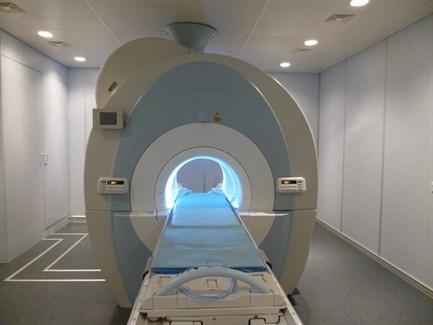
ImagingIn medicine, a process that makes pictures of areas inside the body. Imaging uses methods such as x-rays (high-energy radiation), ultrasound (high-energy sound waves), and radio waves1. The production of images of organs or tissues by a range of techniques. These images are used by physicians in diagnosis and in monitoring the effects of treatment. They can also be used to guide interventional radiology techniques. see also computerized tomography, magnetic resonance imaging, ultrasonography22.
| |
Immune systemA complex network of cells, tissues, organs, and the substances they make that helps the body fight infections and other diseases, including cancer. The immune system includes white blood cells and organs and tissues of the lymph system, such as the thymus, spleen, tonsils, lymph nodes, lymph vessels, and bone marrow1.
| |
Immunohistochemistry (IHC)A laboratory method that uses antibodies to check for certain antigens (markers) in a sample of tissue. The antibodies are usually linked to an enzyme or a fluorescent dye. After the antibodies bind to the antigen in the tissue sample, the enzyme or dye is activated, and the antigen can then be seen under a microscope. Immunohistochemistry is used to help diagnose diseases, such as cancer. It may also be used to help tell the difference between different types of cancer1.
| |
Immunomodulation therapyImmune-modulating agents are a type of immunotherapy that enhance the body’s immune response against cancer. | |
ImmunomodulatorsA substance that affects the functioning of the immune system9.
| |

ImmunosuppressedHaving a weakened immune system. People who are immunosuppressed have a reduced ability to fight infections and other diseases. This may be caused by certain diseases or conditions, such as AIDS, cancer, diabetes, malnutrition, and certain genetic disorders. It may also be caused by certain medicines or treatments, such as anticancer drugs, radiation therapy, and stem cell or organ transplant. Also called immunocompromised1.
| |
ImmunosuppressionSuppression of the body's immune system and its ability to fight infections and other diseases. Immunosuppression may be deliberately induced with drugs, as in preparation for bone marrow or other organ transplantation, to prevent rejection of the donor tissue. It may also result from certain diseases such as AIDS or lymphoma or from anticancer drugs1.
| |
ImmunotherapyA type of therapy that uses substances to stimulate the immune system to help the body fight cancer, infection, and other diseases. Some types of immunotherapy only target certain cells of the immune system. Others affect the immune system in a general way. Types of immunotherapy include cytokines, vaccines, bacillus Calmette-Guerin (BCG), and some monoclonal antibodies1. | |
In-transit metastasis (ITM) | |
IncidenceThe number of new cases of a disease diagnosed
each year1.
| |
Incisional biopsyA surgical procedure in which a portion of a lump or suspicious area is removed for diagnosis. The tissue is then examined under a microscope to check for signs of disease1.
| |
InflammationRedness, swelling, pain, and/or a feeling of heat in an area of the body. This is a protective reaction to injury, disease, or irritation of the tissues1. | |
InguinalOf, relating to, or situated in the region of the groin or in either of the lowest lateral regions of the abdomen9. | |
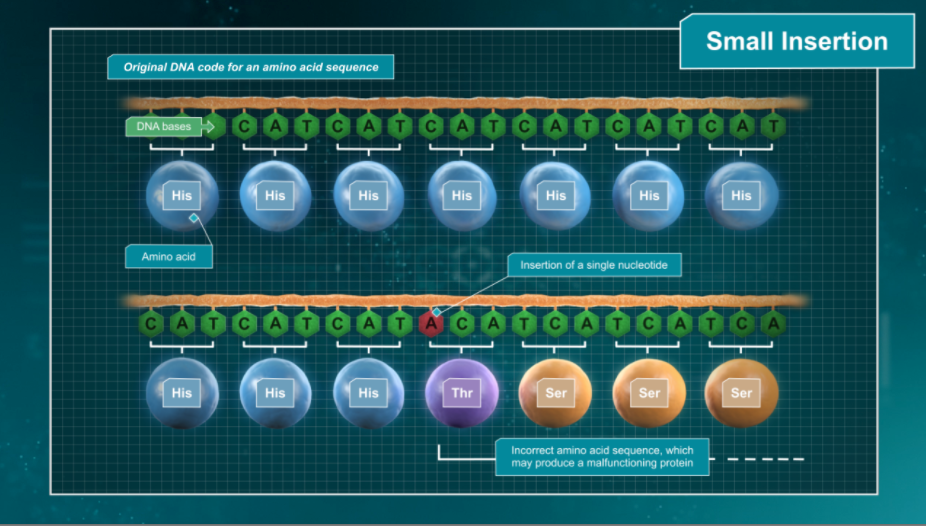
Insertion (Genetics)Insertion is a type of mutation involving the addition of genetic material. An insertion mutation can be small, involving a single extra DNA base pair, or large, involving a piece of a chromosome.24
| |
Intra-tumouralWithin a tumour or neoplasm.5 | |
Intracellular | |
IntraepidermalLocated or occurring within the epidermis9. | |
IntrinsicComing from within, from inside. Proteins have intrinsic signals that govern their transport and localisation in the cell . Opposite of Extrinsic. 14 | |
IntronThe sequence of DNA in between exons that is initially copied into RNA but is cut out of the final RNA transcript and therefore does not change the amino acid code. Some intronic sequences are known to affect gene expression. | |