Medical Glossary
A | B | C | D | E | F | G | H | I | J | K | L | M | N | O | P | Q | R | S | T | U | V | W | X | Y | Z | ALL
M |
|---|
Magnetic resonance imaging (MRI)A procedure in which radio waves and a powerful magnet linked to a computer are used to create detailed pictures of areas inside the body. These pictures can show the difference between normal and diseased tissue. MRI makes better images of organs and soft tissue than other scanning techniques, such as computed tomography (CT) or x-ray. MRI is especially useful for imaging the brain, the spine, the soft tissue of joints, and the inside of bones. Also called magnetic resonance imaging, NMRI, and nuclear magnetic resonance imaging1.
| |
MalignantCancerous. Malignant cells can invade and destroy nearby tissue and spread to other parts of the body1.
| |
MAPK pathwayMAPK (Mitogen-activated
protein kinase) pathways relay, amplify and integrate signals from a diverse
range of stimuli and elicit an appropriate physiological response including
cellular proliferation, differentiation, development, inflammatory responses
and apoptosis in mammalian cells28
| |

MarginThe edge or border of the tissue removed in cancer surgery. The margin is described as negative or clean when the pathologist finds no cancer cells at the edge of the tissue, suggesting that all of the cancer has been removed. The margin is described as positive or involved when the pathologist finds cancer cells at the edge of the tissue, suggesting that all of the cancer has not been removed1. | |
MEK inhibitor | |
MelaninA pigment that gives colour to skin and eyes and helps protect it from damage by ultraviolet light1.
| |
Melanocyte | |
MelanocyticSimilar to or characterized by the presence of melanocytes9. | |
Melanocytic naevusThis is the scientific term for a mole and is a type of melanocytic lesion that contains naevus cells and usually harmless. | |
Melanocytic tumourThis is the scientific term for a mole and is a type of melanocytic lesion that contains naevus cells and usually harmless. | |
MelanomaA form of cancer that begins in melanocytes (cells that make the pigment melanin). It may begin in a mole (skin melanoma), but can also begin in other pigmented tissues, such as in the eye or in the linings of the intestines and, very rarely, in other places1. | |
Melanoma in situAbnormal melanocytes (cells that make melanin, the pigment that gives skin its natural colour) are found in the epidermis (outer layer of the skin). These abnormal melanocytes may become cancer and spread into nearby normal tissue. Also called stage 0 melanoma1. Melanoma in situ is also called stage 0 melanoma. It means there are cancer cells in the top layer of skin (the epidermis). The melanoma cells are all contained in the area in which they started to develop and have not grown into deeper layers of the skin. Some doctors call in situ cancers pre cancer15. | |
MelatoninA hormone made by the pineal gland (tiny organ near the centre of the brain). Melatonin helps control the body’s sleep cycle, and is an antioxidant. It is also made in the laboratory and sold as a supplement1. | |
MembraneA very thin layer that covers a surface (of a cell, tissue or organ)1. | |
Messenger RNA | |
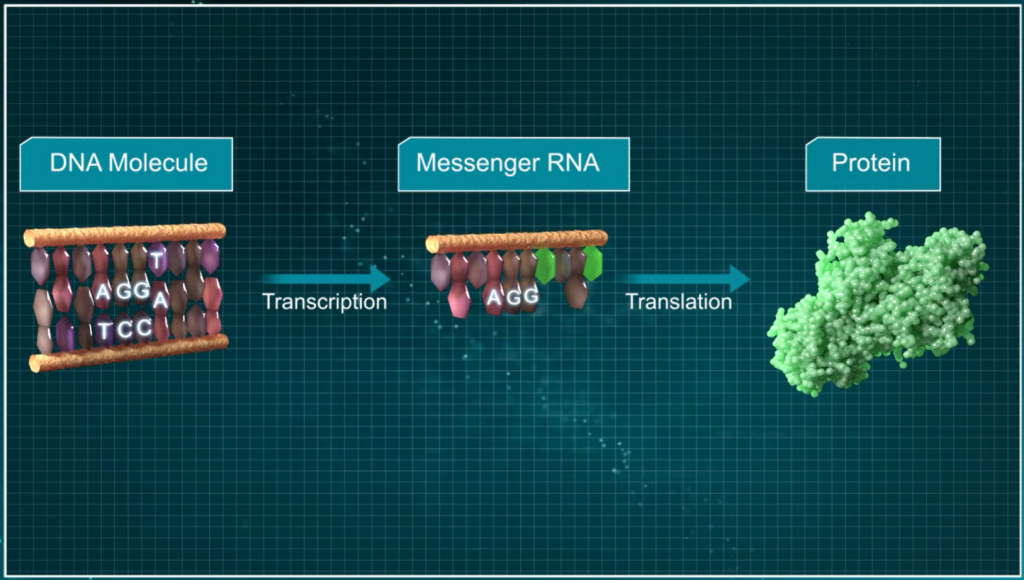
MetabolismThe chemical changes that take place in a cell or an organism1. | |
MetastasisSingular: metastasis / plural: metastases. The spread of cancer cells from the place where they first formed to another part of the body. In metastasis, cancer cells break away from the original (primary) tumour, travel through the blood or lymph system, and form a new tumour in other organs or tissues of the body. The new, metastatic tumour is the same type of cancer as the primary tumour. For example, if melanoma spreads to the lung, the cancer cells in the lung are melanoma cells, not lung cancer cells1.
| |
MetastasiseTo spread from one part of the body to another. When cancer cells metastasise and form secondary tumours, the cells in the metastatic tumour are like those in the original (primary) tumour1.
| |
MetastaticHaving to do with metastasis, which is the spread of cancer from the primary site (place where it started) to other places in the body1.
| |